

Ever had a bin of grain spoil or lose quality before you could sell it? You’re not alone. Grain storage efficiency is a challenge for farms of all sizes, but the good news is there are simple steps you can take to make your operation smoother and more profitable. In this guide, you’ll learn how to store more grain safely, reduce losses, and get the most out of your harvest without breaking the bank.
Why Grain Storage Efficiency Matters
Grain storage efficiency isn’t just about cramming as much corn or soybeans as possible into a bin. It’s about keeping your grain in top shape, saving money, and reducing headaches down the road. If you’ve ever watched grain spoil or struggled with slow unloading, you know how costly small mistakes can be.
When you store grain efficiently, you avoid wasted product, preserve grain quality, and make the most of your storage space. This means better prices, less stress, and more money in your pocket at the end of the season. Plus, efficient storage helps protect your investment in equipment, land, and seed.
It’s also about protecting your reputation. If you’re selling grain to a local elevator or food processor, quality issues can hurt your relationships and future sales. A single load of spoiled grain can lead to discounts or even lost contracts. That’s why focusing on storage efficiency pays off, season after season.
Choosing the Right Storage System
It all starts with the right storage setup. Not every farm needs a huge network of bins, but picking the best system for your needs makes a big difference in your grain storage efficiency.
Types of Grain Storage Structures
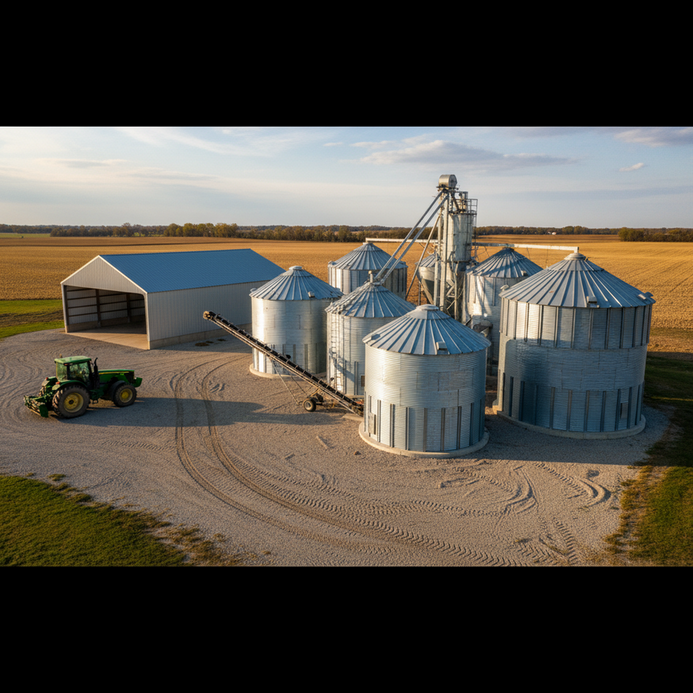
There are a few common types of grain storage systems you’ll see on farms today:
- Grain bins: The most popular choice, these metal silos protect grain from pests, weather, and moisture. They come in many sizes for different farm needs. Some bins now offer hopper bottoms, making unloading faster and reducing the risk of grain sticking or forming dangerous bridges.
- Flat storage: Large sheds or warehouses where grain is piled and managed with loaders. Good for bulk storage but requires more handling. Flat storage is flexible for different crops but can lead to more grain breakage, so it’s best for short-term or feed use.
- Grain bags: Flexible plastic tubes that store grain on the ground for short-term needs. They’re quick to set up but less durable over time. Bags are handy in a bumper harvest or when permanent bins fill up, but you’ll need to watch for animal damage and sunlight exposure.
Think about your farm’s size, crops, and how quickly you need to move grain in and out. For example, if you grow multiple crops with different harvest times, you might use a mix of bins and bags to keep things flowing smoothly. The right structure will keep your grain safer and help you avoid last-minute scrambling during harvest.
Location and Layout
Where you place your grain storage matters too. Bins should sit on high, well-drained ground to prevent water problems, like seepage or flooding after heavy rain. You’ll also want enough space between bins for equipment access and good airflow. For example, if bins are too close together, it’s tough to get in with a loader or auger, and moisture can build up between them.
A well-planned layout saves time and reduces risks, especially in a rush. Try to place storage near your field entrances or main driveways to cut down on hauling time. Leave enough room for trucks to turn, and keep emergency access in mind in case you need to deal with a bin fire or equipment breakdown.
Managing Moisture and Temperature
Moisture and temperature swings are the biggest threats to grain in storage. Poor control can lead to mold, spoilage, and pest problems. Here’s how to keep those risks in check and boost your grain storage efficiency.
Moisture Control
Harvesting grain at the right moisture level is key. Most grains should be dry enough to store safely, corn, for example, is best stored at 15% moisture or less. Wheat usually needs to be at or below 13%, and soybeans around 13%. Too wet, and you risk spoilage. Too dry, and you lose weight (and money).
If your grain is too wet, use a grain dryer to lower the moisture before storage. Dryers come in different types: some use continuous flow, others batch-dry, but all help you hit that safe moisture target. Monitor levels regularly, because even a small leak or equipment failure can let moisture creep back in. For example, a leaking bin roof or faulty fan can let rain in, raising moisture and creating a pocket of spoiled grain.
You might wonder: how do you check moisture? Most farmers use handheld moisture meters. Test samples from several places in the bin, not just the top. Moisture can vary throughout the bin, especially if grain wasn’t cooled evenly.
Temperature Management
Temperature swings can cause condensation and spoilage inside bins. Aeration fans are your best friend here. They move air through the grain, evening out temperature and moisture. Run fans during cool, dry weather to lower the temperature of stored grain, this slows down mold growth and keeps pests away.
Let’s say you fill a bin with warm corn in late September. If you don’t cool it down, warm air inside the grain can rise and hit the cold bin roof, creating moisture that drips back onto the grain. That’s a recipe for spoilage. Using aeration fans to cool grain quickly after harvest prevents this.
To get the best results, check your grain temperature and moisture every week in the first month, then at least monthly after that. If you notice hot spots or damp grain, act fast to fix the problem before it spreads. Some farmers use a long metal probe to check temperatures deeper in the grain, not just at the surface.
Monitoring Tools and Technology
Modern technology makes grain storage efficiency much easier. Advanced monitoring systems take the guesswork out of managing bins and can save you from expensive surprises.
Grain Bin Monitoring Systems
Today’s bin monitoring systems use sensors to track temperature, moisture, and even carbon dioxide (a sign of spoilage) inside your bins. These systems alert you if there’s a problem, so you can act before it gets out of hand. Some setups even connect to your phone or send text alerts, so you’re not tied to the farm all day.
For example, Farm Shop MFG’s grain bin monitoring solutions give you real-time updates right on your phone or computer. If you’re away at a family event or planting another field, you can still keep an eye on your grain. These systems can help you spot a stuck fan, a broken seal, or a developing hot spot before they turn into bigger issues.
Some newer systems offer smart automation, automatically turning fans on or off based on grain temperature and humidity. This not only protects your grain but can also save energy.
Recordkeeping and Data Use
Keeping good records helps you spot trends and make better decisions in the future. Note when grain was stored, its moisture and temperature, and any issues you found. Over time, this information helps you avoid repeat problems and fine-tune your process. For example, if you notice one bin always has more spoilage, you might spot a hidden leak or airflow problem.
Some farmers use simple notebooks, while others prefer spreadsheets or grain management apps. The key is to track enough detail so you can learn from each season. It’s like keeping a playbook for your farm, next year, you can see what worked and what didn’t.
Preventing Pests and Spoilage
No one wants to open a bin and find bugs or mold. Keeping grain safe from pests and spoilage is a big part of storage efficiency.
Sanitation and Preparation
Before filling bins, clean them out thoroughly. Old grain, dust, and debris are magnets for insects and mold. Sweep, vacuum, and check for cracks where pests can sneak in. Even a small amount of leftover grain can start an infestation or spread mold to the new crop.
If you’ve had pest problems before, consider using approved treatments or fumigants safely and according to the label. It’s important to check the legal requirements for grain treatments in your area, some chemicals are restricted, especially for food-grade crops.
Don’t forget to check the outside of bins too. Tall weeds or spilled grain around the base can attract rodents and insects. Keep the area mowed and clean to discourage unwanted visitors.
Regular Inspection
Even with the best setup, problems can creep in. Inspect your storage regularly, looking for signs of insects, mold, or leaks. Some warning signs include musty smells, clumps of grain, or fine dust (which can signal insect feeding). If you spot something, deal with it quickly. Early action keeps a small problem from turning into a big, expensive mess.
If you see insects, try to identify them, some are harmless, but others, like the lesser grain borer or red flour beetle, can destroy large amounts of stored grain fast. If you suspect a problem, reach out to your local extension office for advice.
Maximizing Space and Reducing Losses
You want to get the most from every square foot of storage. Here’s how to maximize space and keep losses as low as possible.
Proper Loading Techniques
Fill bins evenly and avoid overfilling. Uneven loading can cause grain to settle unevenly, creating air pockets where spoilage can start. Level the grain surface as much as possible when loading. Some farms use grain spreaders or even a simple shovel to make sure the top is flat. Flat grain is less likely to trap moisture or allow insects to hide.
Overfilling is tempting, especially at harvest crunch time, but it risks plugging the roof vents and can damage bin roofs. A little restraint now can save you headaches later.
Safe Unloading Practices
When it’s time to unload, move grain out smoothly. Avoid sudden starts and stops. If grain bridges or clumps, stop and break them up safely. Never enter a bin when grain is stuck, as it can collapse and trap you. Grain can act almost like quicksand, tragedies happen every year, so always use proper safety harnesses and let someone know you’re working.
If you notice grain flowing unevenly or see crusty patches, that’s a sign of spoilage or moisture buildup. Remove problem spots as soon as possible to stop them from spreading.
Maintenance and Upgrades
Keep equipment like augers, conveyors, and fans in good working order. A breakdown in the middle of harvest can lead to spoilage or lost grain. It’s a good idea to grease bearings, check belts, and test fans before the season starts. If your bins are older, consider upgrades like better aeration or monitoring systems. These investments usually pay for themselves by preventing losses and making daily work easier.
For example, adding a new aeration fan or updating to a digital temperature monitoring system can catch problems early and help you make smarter decisions. A little preventive maintenance each year often adds up to big savings over time.
Planning Ahead for Next Season
Efficiency isn’t just about what you do during harvest. The best results come from planning all year long.
Off-Season Maintenance
After the bins are empty, clean and inspect them thoroughly. Repair any damage and get equipment ready for next year. Check bin roofs and seams for leaks, patch rust spots, and look for places where rodents or birds might get in. A little attention now prevents headaches when harvest rolls around again.
Take this time to calibrate your moisture meters, test backup generators, and order replacement parts for worn equipment. You’ll be glad you did when the next busy season arrives.
Reviewing and Adjusting Your Strategy
Take time to review what worked and what didn’t. Did you have any spoilage or slowdowns? Could you have stored more with a different setup? Maybe you found that moving grain earlier in the season helped keep quality up. Or maybe you realized a certain bin always gives you trouble. Use these insights to make your grain storage efficiency even better next season.
Talk to neighbors or your local extension agent about what’s working for them. Sometimes a small tip or a new approach can make a big difference, whether it’s a new type of spreader, a better monitoring tool, or a smarter way to lay out your bins.
Conclusion
Grain storage efficiency isn’t just about saving space, it’s about protecting your crop, your income, and your peace of mind. With the right setup, smart monitoring, and a little planning, you can store more, lose less, and make your operation run smoother from harvest to market.
Ready to take your grain storage to the next level? Contact us to learn more about tools and strategies that can boost your storage efficiency and help you get the most out of every bushel.