

Ever wondered why some farms lose less grain during storage than others? The answer often comes down to grain storage efficiency. If you want to keep more of your harvest, reduce risks, and stretch every dollar, improving your grain storage setup is a smart move. In this guide, you’ll learn practical ways to boost efficiency, avoid common pitfalls, and choose the right equipment, even if you’re working with a tight budget. The steps you take today can save headaches, wasted grain, and lost income for many seasons to come.
Understanding Grain Storage Efficiency
Grain storage efficiency means getting the most out of your storage system. It’s about keeping your grain safe from spoilage, pests, and moisture, while making sure handling and monitoring don’t eat up your time or money. Efficient storage isn’t just about having big bins, it’s about how well those bins protect your crop and how easy it is for you to manage them.
Why does this matter? Grain is vulnerable once it’s off the field. Warm, damp weather can quickly lead to mold or sprouting. Pests like insects and rodents love a forgotten corner of a bin. And if you can’t keep an eye on things, small problems can snowball. When farmers talk about efficiency, they’re thinking about less waste, lower costs, and more control. Grain can spoil quickly if conditions aren’t right, and every bushel lost is money out the window. That’s why a few smart changes can make a big difference in the long run.
Assessing Your Current Storage System
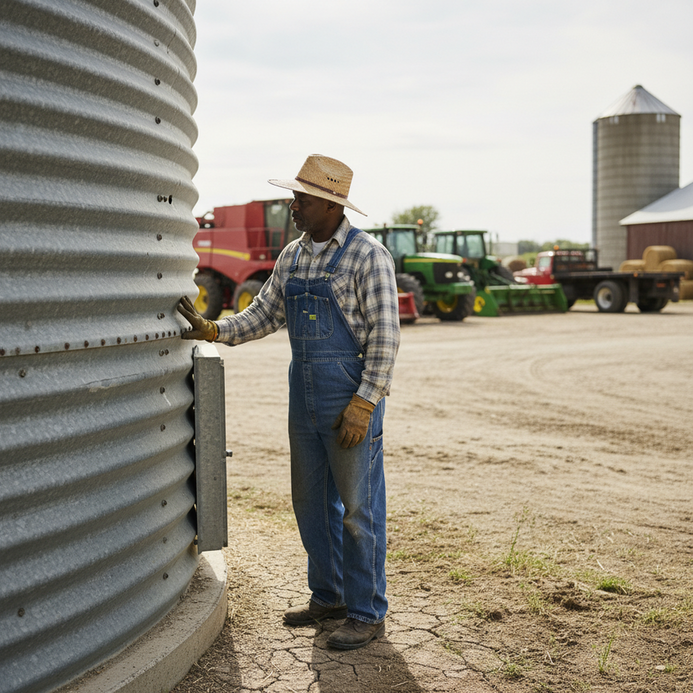
Before you jump into upgrades, take a close look at what you already have. A quick walk-around can reveal a lot. Are there rusty patches or streaks that could mean leaks? Any musty smells or caked grain at the bottom of a bin? These are signs your system needs attention.
Ask yourself a few key questions:
- Are your bins sealed tightly against rain and pests?
- Do you have a way to monitor temperature and moisture inside the bins?
- How easy is it to load, unload, and inspect your grain?
- Are you seeing any spoilage or clumping when you unload?
- Is the area around your bins free from trash, weeds, or leftover grain that might attract rodents?
Write down your answers, this list will help you decide where to focus your improvements. Even if your setup is basic, small upgrades can add up to big savings. Some farmers use a simple spreadsheet or notebook to track these points every season. Over time, you’ll see patterns, maybe one bin always has more spoilage, or a certain fan never seems to do the job. That’s valuable information for making upgrades that actually pay off.
Essential Equipment Upgrades for Better Efficiency
You don’t need a brand-new storage complex to boost grain storage efficiency. Sometimes, the right equipment upgrades can solve the biggest problems. Here’s what to consider, especially if you’re managing a medium-sized farm and watching your budget.
Grain Bin Monitoring Systems
Modern grain bin monitoring systems let you track temperature and moisture without climbing up and down ladders. These sensors help you catch problems early, so you can fix them before they cause major losses. Some systems even connect to your phone or computer, giving you updates no matter where you are. As an example, a farmer using a basic sensor system was able to spot a moisture spike before it led to mold, saving several thousand dollars in lost grain. Farm Shop MFG offers grain bin monitoring solutions designed for simplicity and reliability, helping you stay ahead of spoilage.
What should you look for? Choose a system that fits your level of tech comfort. Some systems are fully automated and wireless, while others use simple wired probes and display panels. The key is to get real-time data, so you aren’t guessing about what’s happening inside the bin.
Aeration Fans and Controls
Good airflow is essential to keep your grain dry and cool. If your bins don’t have aeration fans, adding them can make a huge difference. Fans help move air through the grain, which evens out temperature and dries out damp spots. This prevents hot spots, which are prime locations for spoilage and insect activity.
Look for energy-efficient fans and automatic controls that turn on only when needed. This helps save power while keeping your grain in top condition. Some modern control systems use temperature and humidity sensors to decide when to run the fans. That means less babysitting, and your grain stays safer round the clock.
Seals and Access Doors
Leaky bins let in moisture and pests. Upgrading to better seals and adding tight-fitting access doors can stop most problems before they start. Inspect all entry points and replace worn gaskets or seals. This simple fix preserves your grain quality for months longer. If you’ve ever opened a bin in spring and found a wet, crusty mess near the door, a faulty seal was likely the culprit. The small investment in new seals or a better door pays off quickly by keeping weather and critters out.
Leveling and Unloading Tools
Grain can settle unevenly, leading to spoilage in some areas. Basic leveling tools or sweep augers help you keep the grain even, making it easier to unload and less likely to clump or mold. For example, a sweep auger can move grain from bin edges where airflow is worst, improving the overall condition of your stored crop. Even a homemade leveling rod or rake can make a difference by breaking up hot spots or crusts before they become bigger problems.
Budget-Friendly Tips for Medium-Sized Farms
Not every farm has unlimited resources. The good news is, you don’t need a huge investment to make your storage more efficient. Here are some cost-effective ideas that deliver results without breaking the bank.
- Prioritize monitoring over extra storage. It’s better to know your grain is safe than to have a larger bin full of spoiled product. Investing in a basic sensor or thermometer is often cheaper than fixing a bin after a spoilage event.
- Do regular bin cleaning. Removing old grain, dust, and debris prevents insects and mold from getting a foothold. Many farmers schedule a deep clean after every major unloading, using simple tools like brooms and shop vacs.
- Use local extension resources. Many universities and ag agencies offer free or low-cost advice on optimizing grain storage. You can often find guides, checklists, or even on-site visits to help you troubleshoot specific issues.
- Invest in one upgrade at a time. Start with what gives the most bang for your buck, like a basic monitoring system or upgraded seals. Once that’s handled, move on to fans, doors, or other add-ons as budget allows.
- Share equipment with neighbors. If you’re in a tight-knit farming community, pooling resources for tools or fans can cut costs for everyone. Some regions have cooperatives for renting sweep augers, extra fans, or cleaning gear, so you don’t have to buy everything yourself.
Here’s a practical example: One farm family split the cost of a portable grain vacuum with two neighbors, rotating it between their bins each year. The shared tool made cleanout easier and improved storage conditions for all three operations.
Preventing Losses: Steps You Can Take Right Now
You don’t have to wait until next harvest to start improving grain storage efficiency. There are steps you can take today, even if your bins are already full. Getting into a routine of regular checks and small actions will put you ahead of the game.
- Check bins for leaks, rust, or holes. Patch or repair as needed, temporary fixes like waterproof tape can help until you can replace a seal or door.
- Monitor grain regularly. Use a probe or sensor to check for hot spots or high moisture. Even a handheld thermometer or moisture meter can spot trouble early.
- Move grain around if possible. Stirring or turning keeps it from clumping or overheating. Some bins have built-in stirrers, but even moving grain from one bin to another can help mix layers and even out moisture.
- Watch for signs of insects or rodents. Early action can stop a small problem from getting out of hand. Place traps, patch entry points, and clear away spilled grain near bins.
- Keep the area around bins clean. Tall weeds and spilled grain attract pests. A tidy bin site with short grass and clear paths makes inspections and maintenance easier for you, too.
If you’re not sure where to start, pick one area and focus on it for a week. Small actions add up over time. For example, you might spend one day patching a small hole, another day sweeping up spilled grain, and another day checking your sensors. By the end of the month, your storage will be in noticeably better shape.
Building a Year-Round Grain Storage Plan
Efficient grain storage isn’t just a one-time effort. The best results come from making it part of your year-round routine. Think of it like preventive maintenance for your truck or tractor. The more consistent you are, the fewer surprises you’ll face when it’s time to sell or move your grain.
Here’s what a year-round plan might look like:
- Pre-harvest: Inspect bins for damage, clean thoroughly, and test all equipment (fans, monitors, doors).
- During harvest: Load bins evenly, monitor moisture as grain goes in, and use fans if needed to cool the crop quickly.
- Post-harvest: Check sensors weekly, monitor for pests, and stir or turn grain if possible.
- Winter and spring: Make occasional checks for condensation, snow or ice damage, and animal activity. Plan repairs and upgrades for the off-season, when bins are empty or less full.
Some farmers set reminders on their phones or calendars for key tasks. This approach helps catch small issues before they become expensive disasters. Over time, you’ll also build a record of what works and what doesn’t for your specific operation.
Choosing the Right Equipment for Your Needs
Every farm is different, so the best equipment for grain storage efficiency depends on your size, budget, and climate. If you’re managing a medium-sized operation with limited funds, look for gear that gives you the most control with the least hassle.
A basic grain bin monitoring system is almost always worth it. It lets you keep tabs on things without constant trips to the bin. If you can, add an aeration fan with a simple control panel. These two upgrades work together to keep your grain cool and dry, which is half the battle. For example, a farm in the Midwest found that adding just one new aeration fan cut their spoilage losses by nearly half in a humid year.
Farm Shop MFG specializes in equipment built for real-world farms. Their monitoring systems are designed for ease of use and durability, making them a smart investment for anyone looking to take the guesswork out of grain storage. If you’re not sure which upgrades will fit your setup, their team can offer personalized advice based on your operation’s needs. Not every farm needs every bell and whistle, a good provider will help you find the right balance between cost, convenience, and results.
Getting the Most Out of Your Storage: Practical Examples
Let’s look at a few real-world scenarios, so you can see how these strategies play out on actual farms.
A grain farmer in Kansas worried about spoilage in one older bin. After adding a basic temperature sensor and patching a few small holes, he noticed a sharp drop in hot spots and mold. The season’s grain came out in better shape, and he didn’t have to throw away hundreds of bushels.
In another example, a family farm in Iowa started cleaning their bins more regularly, using a borrowed grain vacuum. They also invested in better seals for their access doors. The small changes led to fewer pests, less spoiled grain, and a smoother unloading process in the spring.
A third farmer, working with a tight budget, shared an extra aeration fan with a neighbor. They traded the fan back and forth between bins as needed. This simple step helped both farms keep their grain in better condition, even during a rainy fall.
These stories show that you don’t need a huge investment or a brand-new system to make real improvements. Focus on practical steps, keep learning from experience, and don’t be afraid to ask for advice or share tools with others.
Conclusion
Grain storage efficiency isn’t just about the size of your bins, it’s about how well you manage and protect your harvest. With the right equipment and a few smart habits, you can cut losses, save money, and get more from every acre. Ready to upgrade your storage setup or need advice on what fits your farm best? Contact us to learn more.