
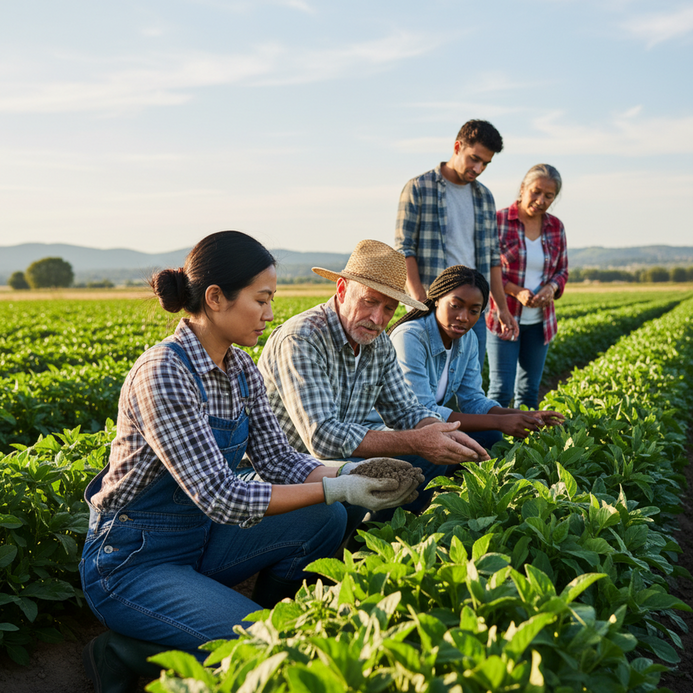
Ever noticed your crops look fantastic in one corner of the field but a bit sad in another, even though you treat them the same? Many farmers face this problem. Varying soil conditions can make growing a healthy, high-yielding crop feel like a guessing game. But you don’t need to settle for uneven results or leave your harvest to luck. With the right steps, you can make every inch of your farm work harder for you. Here’s how you can boost your crop yield, even when your soils are all over the map.
Know Your Soil: Testing and Understanding
Before you can improve your crop yield, you have to know what kind of soil you’re working with. Soil isn’t just dirt, it’s a mix of sand, silt, clay, organic matter, minerals, and living things. Even within a single field, you might find big differences in these ingredients.
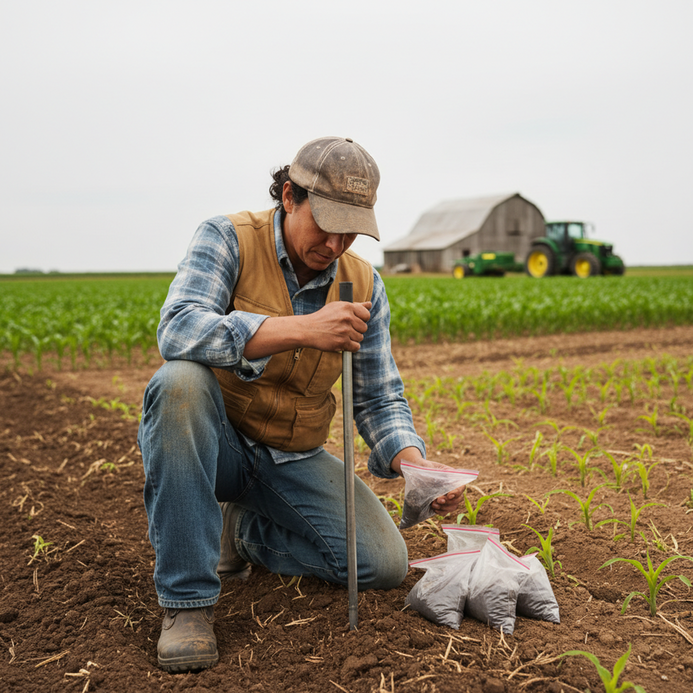
Start with soil testing. Walk your fields and collect samples from different areas, don’t just take one scoop and call it a day. Send these samples to a local lab. You’ll get back a report showing key details like pH (how acidic or alkaline the soil is), levels of nitrogen, phosphorus, potassium (these are the big three nutrients crops need), and organic matter content. Some advanced tests can even tell you about micronutrients like zinc or boron, which can make a big difference in certain crops.
Once you have your results, look for patterns. Maybe the back corner of your field is low in potassium, or the hilltop is a bit too acidic. This isn’t just interesting trivia, it’s a map of where your farm needs help. With this information, you can make targeted decisions instead of guessing. For example, if a patch is low in nitrogen, you can add fertilizer just to that spot rather than spreading it everywhere. Or if your pH is off, you might add lime or sulfur to balance things out.
Soil testing isn’t a one-time thing. Try to test your soil every couple of years, or even more often if you’re making big changes. Over time, you’ll get a picture of how your soil is improving and where it still needs work.
Match Your Practices to Your Soil Conditions
Once you know what you’re dealing with, you can fine-tune your farming practices for each type of soil on your land. Farming isn’t one-size-fits-all, especially when your soils aren’t either.
Let’s look at sandy soils. These drain quickly and can dry out faster, so crops might struggle if they don’t get enough water or nutrients. To help, add organic matter like compost, manure, or plant residues. This acts like a sponge, holding onto water and nutrients so your crops have what they need between rains. Cover crops are another smart move. Something like rye or clover, planted after your main crop, can protect the soil, add organic matter, and help prevent nutrients from washing away.
Clay soils have their own challenges. They hold water well, but sometimes too well. Roots can suffocate if the soil stays soggy, and heavy equipment can pack the soil into a hard layer. To help, avoid working wet clay soils with heavy tractors. Instead, use lighter equipment when possible, and consider adding gypsum or other soil conditioners to open up the structure. You might also plant in raised beds or use drainage ditches to help extra water escape.
Even small tweaks can pay off. Adjust your planting depth, seeds in sandy soils might need to go a bit deeper so they stay moist, while in clay soils, shallower planting can help seeds avoid cold, wet conditions. Row spacing can also make a difference. In heavy soils, wider rows may allow for better airflow and reduce disease.
Invest in the Right Equipment
The tools you use can make a big difference in how well your crops do, especially when you’re working with mixed soils.
Standard closing wheels, the part of your planter that presses soil over the seed trench, aren’t always up to the job in every condition. In heavy, wet soils, they can pack the ground too tightly, making it hard for seeds to sprout. In dry, sandy soils, they might not close the trench at all, leaving seeds exposed and dry.
This is where specialized equipment shines. The Germinator® closing wheel from Farm Shop MFG, for example, is designed to work in a range of soil types. It presses the soil just enough to give the seed good contact without packing it down. This helps seeds soak up water and nutrients right away, leading to even sprouting and healthier plants. Farmers who’ve swapped out standard closing wheels for these specialized ones often see more even emergence and better stands, especially in fields with mixed conditions.
Other equipment upgrades can help, too. Adjustable row cleaners, residue managers, and variable-rate planters let you fine-tune your approach for each part of your field. Even a simple change like switching to lower-pressure tires can reduce compaction in sensitive areas.
Use Precision Agriculture Tools
Modern technology can turn your whole farm into a science project, one that pays off at harvest. Precision agriculture is all about using data and smart tools to make decisions that boost yield and save money.
GPS-guided tractors are a great starting point. They steer themselves along perfectly straight lines, so you avoid overlaps or missed spots when planting and spraying. This saves seed, fertilizer, and fuel. Variable-rate technology takes things further. With a variable-rate seeder or fertilizer spreader, you can adjust how much product you apply as you move across the field. The sandy patch gets a bit more seed or water, while the rich, moist area gets less. This cuts waste and helps every area perform its best.
Soil sensors and moisture probes let you know exactly when and where to irrigate. Instead of watering the whole field when only a few spots are dry, you can target just the areas that need it. Some sensors even connect to your smartphone, so you can check soil moisture from anywhere.
Yield maps from your combine or tractor computer show where crops did well and where they struggled. By comparing these maps year after year, you can spot trends and figure out which changes are making a difference. This is the heart of site-specific management: treating each part of your field as its own mini-farm.
Farm Shop MFG also offers grain bin monitoring systems. Once your harvest is in storage, these systems help you keep grain at the right temperature and moisture. That means less spoilage, less waste, and more money in your pocket when it’s time to sell.
Rotate Crops and Add Cover Crops
Crop rotation isn’t just old-fashioned wisdom, it’s a proven way to help your soil and your yields. When you plant the same crop in the same spot year after year, pests and diseases can build up. The soil also gets worn out, as each crop pulls the same nutrients from the ground.
Switching things up breaks this cycle. If you plant corn one year, follow it with soybeans the next. Soybeans are legumes, which actually add nitrogen to the soil through their roots. Corn, on the other hand, uses up a lot of nitrogen. By alternating, you give the soil a chance to recover.
Cover crops are another powerful tool. These are plants you grow when your main crop isn’t in the ground. Rye, clover, and radishes are popular choices. Cover crops hold soil in place so it doesn’t wash away in the rain, and their roots break up hard layers, making it easier for your next crop to grow. Some even pull nutrients up from deep in the soil or add their own, like clover’s nitrogen-fixing power.
Farmers who use cover crops often see better soil structure, more earthworms, and higher organic matter. This leads to stronger crops the next season, especially in mixed or challenging soils.
Focus on Water Management
Water is often the biggest factor in crop yield. Some soils hold water like a sponge, while others let it run right through. Managing water well means knowing your soil and giving each area what it needs.
For low-lying or clay-heavy spots that stay wet, you might need to install drainage tiles or shallow ditches. These help move extra water away from roots, preventing rot and disease. In sandy or hilly spots that dry out quickly, try drip irrigation or soaker hoses to deliver water right to the plant roots. Mulching with straw or plant residues can also help trap moisture and keep the soil cool.
Even the way you plant can help. Laying out your rows to follow the curve of a hill (called contour planting) can slow down water runoff, helping more water soak in where it’s needed. In areas where drought is a problem, planting drought-tolerant crop varieties can also make a difference.
If you have access to precision tools, soil moisture sensors can guide when to irrigate. This helps you avoid overwatering some areas while making sure dry patches get enough. Smart water management means less waste, healthier crops, and better yields across all your soil types.
Monitor and Adjust Throughout the Season
Farming isn’t a “set it and forget it” job. Even with the best plan, things can change fast. Weather, pests, and even the way your equipment runs can all affect your crop.
Walk your fields often. Look for signs of trouble, yellow leaves, stunted growth, or bare spots. Take notes or photos so you can spot changes over time. Use yield maps and soil tests from previous years to compare what you’re seeing now.
When you spot a problem, act fast. If one area is going yellow, it might need a boost of fertilizer or a check for pests. If another spot is too wet or dry, adjust your irrigation or drainage. Sometimes, you might need to reseed a patch or treat for weeds or insects.
The more you pay attention, the better you can respond. Quick fixes can prevent small problems from turning into big ones, and over time you’ll learn what works best for each part of your land.
Real-Life Example: Turning Mixed Soils into Higher Yields
Imagine you’ve got a 100-acre field with a mix of sandy and clay soils. For years, the sandy side has lagged behind in yield, even though you’re treating the whole field the same. This year, you decide to take a more targeted approach.
First, you collect detailed soil samples and discover the sandy areas are low in organic matter and dry out quickly, while the clay areas are rich but sometimes get waterlogged. You plant a cover crop of rye on the sandy side in the fall. In the spring, you till the rye under, boosting organic matter and helping the soil hold water. You switch to a Germinator® closing wheel to improve seed-to-soil contact in the lighter ground.
During planting, your variable-rate seeder puts a bit more seed on the sandy side, where you know germination can be spotty, and less on the clay, where conditions are already good. Throughout the season, you monitor moisture with sensors and add extra irrigation to the sandy areas as needed. You also set up drainage ditches in the wettest clay spots to prevent standing water.
By harvest, the sandy area’s yield has improved significantly, nearly matching the heavier soils for the first time. Instead of a patchy field, you’ve got a more even, healthy crop. This real-world example shows how understanding your soils and making targeted changes can transform your results. ## Conclusion
Varying soil conditions don’t have to mean uneven crops or missed potential. By getting to know your soils through testing, matching your practices and equipment to each area, using precision tools, rotating and covering crops, and managing water wisely, you can boost your yields across the board.
Farming is always full of surprises, but with these strategies, you’ll be ready for whatever your field throws at you.
Want to get more from every acre, no matter what soil you’re working with? Contact us today to learn how you can put these proven strategies to work on your farm.