

Ever wondered how to offer reliable equipment to your customers without breaking the bank? Finding the right balance between quality and cost is a challenge for many farmers and suppliers. In this guide, you’ll learn practical steps for delivering reliable equipment solutions that won’t blow your budget, with clear examples to help you make smart choices for your farm or business.
Understanding What Makes Equipment Reliable
Before you can offer reliable equipment, it’s important to understand what “reliable” really means. For most people, reliable equipment is something they can count on season after season. It works as promised, handles tough conditions, and rarely needs repairs. But reliability also means equipment is easy to maintain, doesn’t let you down during crunch time, and has a strong support system behind it.
You can spot reliable equipment by looking for a few key signs. First, check if it’s made from durable materials like heavy-duty steel or reinforced composites. Equipment that is well-built usually feels solid and has tight, clean welds. Next, see if it has a track record of performing well in real farm environments. Ask other farmers about their experiences and look for online reviews or testimonials from people who use the equipment for similar tasks. If a part breaks, can you easily get a replacement? Support and warranty options are also good indicators of reliability. A good warranty means the manufacturer stands behind their product.
For example, Farm Shop MFG designs products like Germinator closing wheels and grain bin monitoring systems to stand up to the challenges farmers actually face. The Germinator closing wheel, for instance, is built with robust materials and has been proven to improve seed-to-soil contact, leading to better germination rates. Grain bin monitoring systems from trusted companies are designed to handle temperature swings, moisture, and other environmental risks without constant attention. This focus on practical durability is what makes equipment truly dependable.
Setting a Realistic Budget for Equipment Needs
Budgeting is more than just picking the cheapest option. Start by making a list of the equipment you really need, not just what would be nice to have. Prioritize items that make the biggest impact on your operation, like tools that improve crop yield, reduce downtime, or cut labor costs during planting and harvest.
Next, research the price range for each item. Factor in not just the sticker price, but also shipping, installation, and possible maintenance costs. Sometimes, spending a little more upfront on reliable equipment saves money in the long run because you avoid frequent repairs or early replacements. For example, a high-quality closing wheel may cost more at first but can last for multiple seasons, saving you from having to buy replacements every year.
If your budget feels tight, think about financing options or seasonal discounts. Many equipment suppliers, including Farm Shop MFG, offer flexible payment plans or special deals at certain times of the year. For instance, some companies provide lower rates during the off-season or bundle multiple products together at a discounted price. These options can help stretch your dollar further and get you the equipment you need when you need it most.
Don’t forget to plan for unexpected costs. Equipment sometimes breaks, and prices can change. Setting aside a small portion of your budget for surprises can give you peace of mind. Also, check if there are any government programs, grants, or tax incentives for upgrading to more efficient or environmentally friendly equipment. Taking advantage of these programs can make higher-quality gear more affordable.
Comparing Equipment: Quality vs. Cost
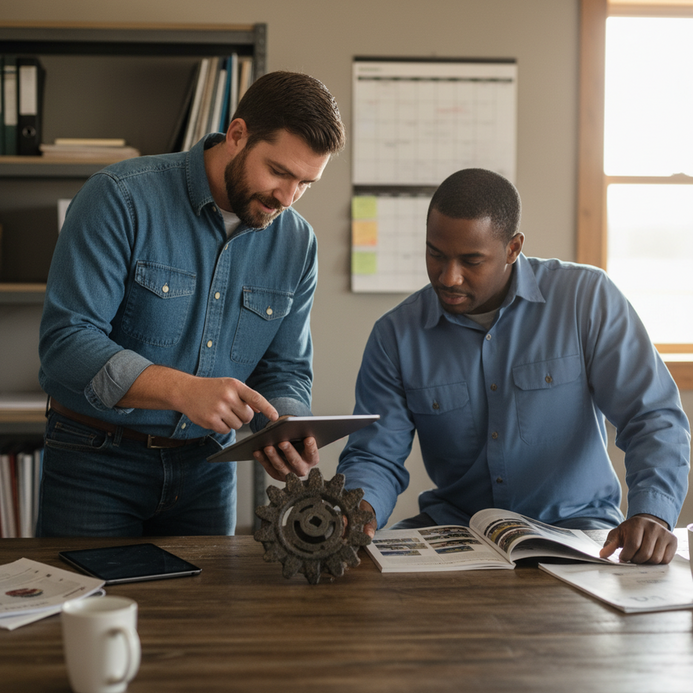
How do you know you’re not sacrificing reliability just to save a few bucks? The key is to compare more than just the sticker price. Look at the total cost of ownership, which includes maintenance, repairs, energy use (if applicable), and how long the equipment is likely to last. Think of it like buying a car. A cheap car might seem like a deal, but if it spends more time in the shop than on the road, the savings disappear fast.
For example, a bargain-bin closing wheel might seem like a good deal at first. But if it wears out after one season, you’ll be buying a new one sooner than you think. In contrast, a higher-quality product, like those from Farm Shop MFG, is designed to last for many seasons. You end up spending less over time because you’re not constantly replacing worn-out parts. The same logic applies to grain bin monitoring systems. A reliable sensor system may cost more, but if it helps you catch moisture issues early, it can save your entire harvest.
Here’s a simple way to compare options:
- List the features you can’t live without (like adjustable settings, easy cleaning, or rust-resistant materials).
- Check warranty details and support availability. Longer, more comprehensive warranties show confidence in the product.
- Find out how easy it is to get replacement parts and supplies. Fast access to parts keeps your operation running.
- Talk to other farmers about their experiences with each brand. Real-world feedback is often more helpful than ads.
- Add up the expected lifespan and maintenance costs for each option. Sometimes, the cheapest up-front cost leads to higher lifetime expenses.
Think about how the equipment fits into your daily routine. Does it save you time? Is it easy to train others to use? These factors matter, especially if you’re trying to run a smooth operation with a small team or family.
Sourcing Equipment From Trusted Manufacturers
Not all equipment manufacturers are created equal. Some cut corners to keep prices low, while others invest in better designs and materials. To make sure you’re providing reliable equipment, choose brands with a solid reputation for quality and service.
Farm Shop MFG is a good example of this approach. As an original equipment manufacturer, they focus on solving real problems farmers face, like improving seed-to-soil contact for better germination or keeping grain in top condition with advanced monitoring. Their products are field-tested and backed by knowledgeable support teams who understand the challenges of modern farming.
When vetting a manufacturer, look for these signs:
- Transparent product information and clear specs. If a company hides details, that’s a red flag.
- Genuine customer reviews and testimonials. Look for patterns in feedback, not just star ratings.
- Responsive customer service that answers your questions quickly and clearly.
- A history of innovation and improvements based on farmer feedback. Companies that listen to customers usually make better products.
It also helps to visit trade shows or local dealer events, where you can see equipment up close and talk to company representatives. Ask about service after the sale. Will they help you troubleshoot if something goes wrong? Do they offer training? These extras can make a big difference if you hit a snag during planting or harvest.
Finding Savings Without Sacrificing Quality
Everyone likes to save money, but no one wants to deal with unreliable equipment. Luckily, you can often find ways to stretch your budget without cutting corners.
One smart strategy is to buy equipment during off-peak seasons, when prices are lower. Manufacturers sometimes offer discounts ahead of planting or harvest, and end-of-season sales can be a great time to buy. Some suppliers offer loyalty programs or discounts for repeat customers. Ask if you can bundle multiple purchases for a better deal.
Another option is to consider refurbished or gently used equipment from reputable sources. Make sure it’s inspected and backed by a warranty. Some dealers offer certified pre-owned equipment that has been tested and reconditioned. This can be a great way to get reliable gear at a fraction of the cost.
Don’t overlook trade-in programs. If you have older equipment in good shape, see if you can trade it in for credit toward new purchases. Some manufacturers run special trade-up campaigns that make upgrading more affordable.
Preventive maintenance is another simple way to save money. Keeping your equipment clean, lubricated, and properly stored can add years to its life. Many breakdowns happen because of skipped maintenance. Set up a checklist for regular upkeep, and train everyone on your team to spot early signs of wear. This reduces the need for frequent replacements, helping your budget go further.
Finally, consider collaborative buying. Sometimes, neighbors or local farm groups pool resources to buy equipment together and share it. This approach works best for tools you only need occasionally, like seed treaters or grain vacuums. Just make sure you agree on scheduling and maintenance responsibilities in advance.
How Reliable Equipment Impacts Your Bottom Line
Investing in reliable equipment isn’t just about peace of mind. It directly affects your farm’s profits and efficiency. When your tools work as they should, you get more done in less time. You also avoid unexpected breakdowns that can slow planting or spoil a grain bin full of crop.
Let’s look at a real-world example. Take closing wheels. The right design can improve seed placement, which means better germination and stronger yields. Over a season, that can translate to hundreds or even thousands of extra dollars, depending on your acreage. Similarly, accurate grain bin monitoring lets you catch problems early, protecting your harvest and preventing costly losses. Just one missed moisture spike can ruin tons of grain, wiping out months of hard work.
Reliable equipment also helps with labor planning. If you can count on your tools, you can plan your crew’s schedule more accurately and avoid overtime or rushed repairs. This means less stress and more predictable expenses. Plus, equipment that’s easy to use and maintain boosts morale. No one likes to fight with a stubborn machine when there’s work to do.
Over time, choosing equipment that’s built to last reduces downtime, saves on repairs, and gets you better results from your hard work. That’s not just smart farming, it’s good business.
Choosing the Right Partner for Reliable Equipment
In the end, providing reliable equipment solutions is about more than just picking the right tools. It’s also about working with a partner who understands your needs and stands behind their products.
Farm Shop MFG has earned a reputation for quality and customer service. Their team listens to feedback from real farmers and uses it to improve their designs. Whether you’re looking for innovative planting equipment or advanced monitoring systems, you’ll find options that fit your goals and budget.
A good partner will offer more than just sales. They’ll help you compare models, explain technical features in plain language, and recommend the right fit for your operation. If you have questions or aren’t sure what’s best for your farm, reach out to a trusted supplier. They can help you take advantage of current deals, financing options, or trade-in programs that make upgrading possible even on a tight budget.
It’s also worth asking about ongoing support. What kind of training is available? Will they help you troubleshoot issues after the sale? Companies with strong after-sales service can save you hours of frustration down the line.
Summary and Next Steps
Providing reliable equipment while sticking to your budget isn’t impossible. Focus on quality, compare total costs, and choose trusted manufacturers who stand behind their products. Take advantage of special offers, preventive maintenance, and smart budgeting to make your investment last. With the right approach, you’ll help your customers succeed, your farm run more smoothly, and build long-term relationships that keep everyone moving forward.
Contact us to learn more.